
 Our Services
 Root Canals
Ending tooth pain and saving your natural tooth, gently and effectively.
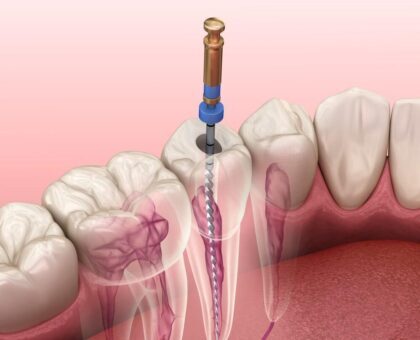
About Root Canals
A root canal is a treatment used when the soft tissue inside a tooth, called the pulp, becomes infected or badly damaged. During the procedure, the diseased pulp is removed, the inside of the tooth is cleaned and sealed, and the tooth is preserved rather than removed. This relieves pain and stops infection from spreading.
Saving a natural tooth matters. Keeping your own tooth helps maintain a healthy bite, normal chewing, and the natural alignment of surrounding teeth. A root canal often allows a tooth that would otherwise need to be extracted to keep working for many years.
Dr. Yesina approaches root canal care with a focus on comfort and clear communication. Treatment begins with a careful evaluation to understand the source of the problem, and each step is explained so you know what to expect. Modern techniques and anesthesia make the experience far more comfortable than its reputation suggests.
Benefits
Relieves pain
Removing the infected pulp addresses the source of the ache, typically bringing lasting relief once the tooth heals.
Saves your natural tooth
Treating the tooth from the inside lets you keep it rather than having it extracted.
Stops the spread of infection
Cleaning and sealing the tooth helps prevent infection from reaching nearby teeth, gums, and bone.
Restores normal function
Once treated and restored, the tooth can look, feel, and work much like your other teeth.
What to expect
- 1
Evaluation and diagnosis
Your tooth is examined, often with an X-ray, to confirm the infection and plan treatment.
- 2
Comfort and cleaning
The area is numbed, and the damaged pulp is carefully removed while the inner canals are cleaned and disinfected.
- 3
Sealing the tooth
The cleaned space is filled and sealed to protect the tooth from further infection.
- 4
Final restoration
A filling or crown is typically placed to restore the tooth's strength and appearance, sometimes at a follow-up visit.
Frequently asked questions
Is a root canal painful?+
How long does a root canal take?+
Will I need a crown afterward?+
Other services
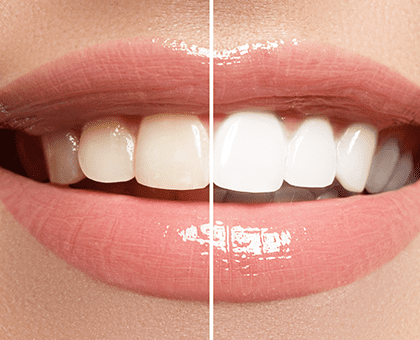

Teeth Whitening
Safely lighten stains and brighten your smile with professional teeth whitening.
Learn More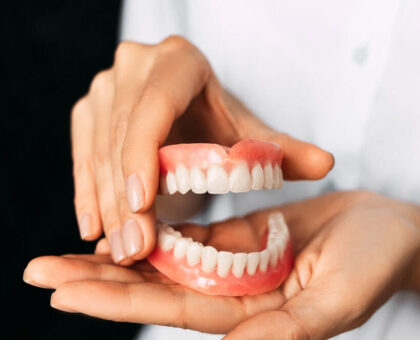

Dentures
Comfortable, natural-looking dentures to help you eat, speak, and smile with confidence again.
Learn More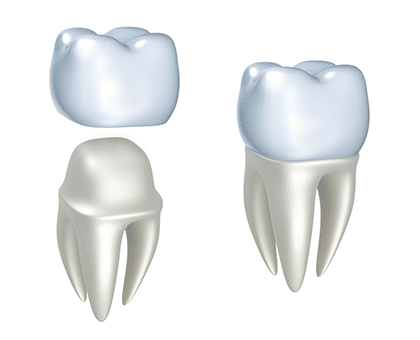

Crowns & Bridges
Restoring damaged and missing teeth so your smile looks and works like it should.
Learn MoreReady to schedule your visit?
Book an appointment with Dr. Yesina's Brooklyn office and take the next step toward a healthier, more confident smile.